
The Ruin

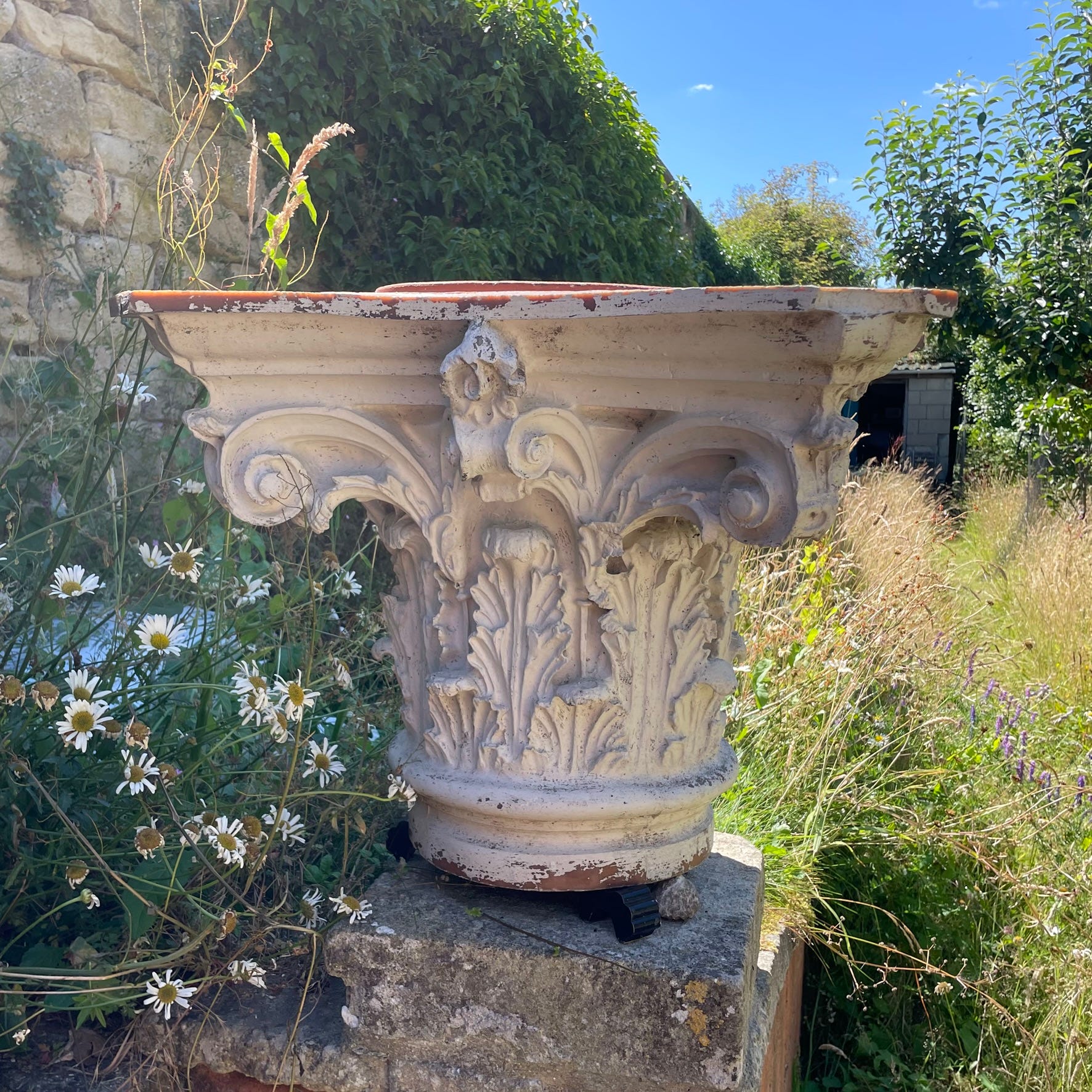
One summer day in the 1960s, David and Ann drove up to our house in Wandsworth Common in the Ford Transit van. They unloaded a decorative urn, a surprise present for my parents, which was swiftly dubbed ‘The Ruin’. David was a pioneer in using glass fibre and resins in creative ways to make television sets, decorative shop fittings, sculptures (he would turn his hand to almost anything, including a full size replica of the dome of St Pauls, a lightweight cross for the top of the new Coventry Cathedral). The Ruin is a clever knock-off, moulded from an original architectural piece, with several copies then cast in resin for a client. The one he brought for my parents was, I assume, an extra.
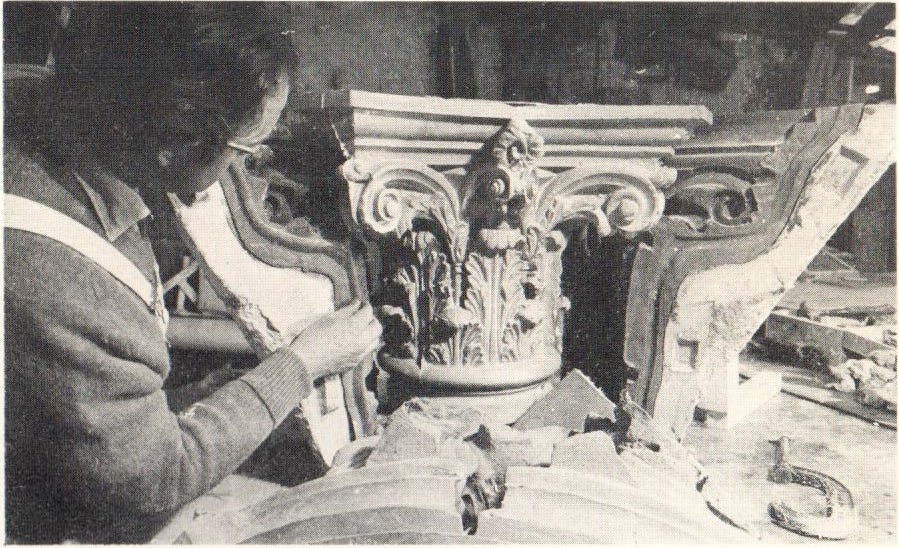
David and my big sister Ann met early in their time at the Royal College of Art in the 1950s and had an on-again, off-again relationship It used to infuriate our father to find them, when he came down in the morning to make my mother’s tea, sitting round the kitchen table, bleary-eyed having danced all night to The Temperance Seven – the resident band. They finally married in full wedding dress and morning coat style in the early 1960s.
As Ann’s very-much-younger brother, David was a bit of a hero and role model for me: a rule tester and breaker, always a bit dishevelled even when dressed up, hugely creative, bringing a lot of fresh and disturbing energy to the family – which was in part why Ann was attracted to him. In those early days he rode a 500cc Rudge Ulster – a big motorbike at that time – that was both dirty and noisy. One day, as I came out of school with a group of friends, he was waiting at the gates, patting the pillion seat in invitation for me to take my place. I climbed on, stuffed my school cap in my pocket, and as we roared off, turned and waved goodbye, feeling a blissful sense of being one-up on my mates I left to catch the bus!
My late teenage and young adult life was quite bound up with David. In my mid teens I worked for him to prepare the exhibition Barnstorm which launched his independent company. Later, I helped set up the factory he established in old barns in Dippenhall outside Farnham in Surrey. The work was always fun and creative; I was given jobs and left to get on with them – until something went wrong (which it often did because the work was always experimental). At this point, David would descend, full of ideas, issuing brusque commands with no regard for anyone’s feelings. I just had to knuckle down and do as I was told. Then we would all pile into David’s rather beaten-up Mark VII Jaguar, and go for lunch at a local ‘greasy spoon’.
David and Ann had a difficult divorce after about fifteen years together and he disappeared from my life until much later. The last I saw him was after he had moved to Kinsale in County Cork. I had just sailed overnight across the Celtic Sea from Cornwall – Kinsale is an obvious port of arrival. His house fronted onto the harbour, so I could not resist the temptation to anchor nearby, take the dinghy ashore and knock unexpected on his door. As we came face to face after several years, it was quite a shock for both of us.
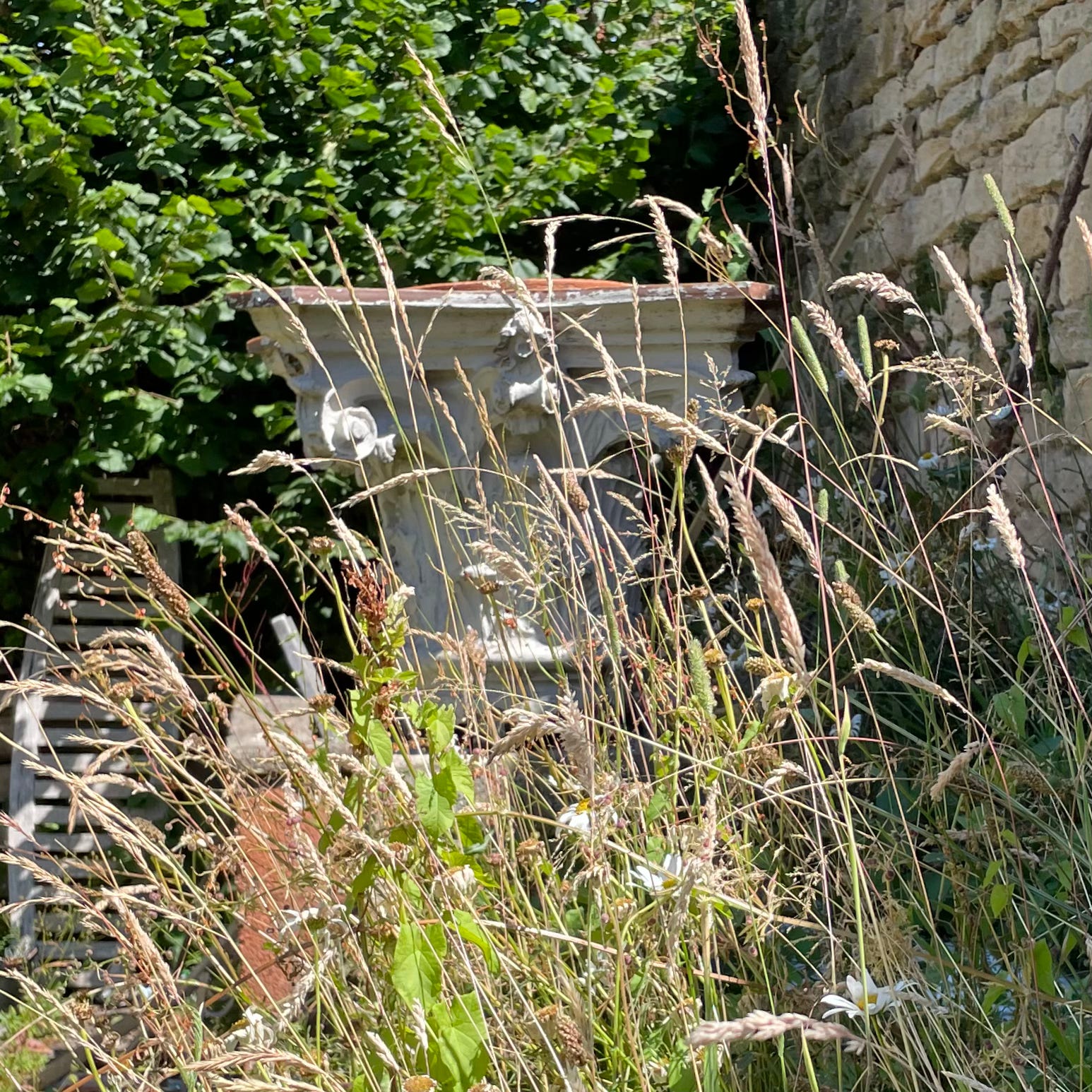
I am not sure just what my parents made of The Ruin. They were always ambivalent about David, admiring his energy and getting swept up in his creative enthusiasm, but always worried, quite understandably, about the relationship with their only daughter. But The Ruin had its place in their London garden and they took it with them when they moved out to Surrey. When Dad came to live in Bath after my mother died, he again brought it with him, and when he died, we took it on. We are not really sure if we like it and have never been successful in growing anything in it. So it sits in the Orchard as a decorative, slightly absurd, reminder of times past.
This is a lovely story, full of ambivalence. I would have liked to know what Peter and David made of each other when Peter turned up on David's doorstep years later. Perhaps that is another story? Though may be it doesn't have any objects in it.